Arizona has a problem most “best places to visit” lists don’t mention: half the state’s biggest attractions require advance booking, and travelers who show up expecting to just walk in get turned away or stuck paying triple the price for a last-minute tour. If you’re planning where to go in Arizona, the destination matters less than knowing which ones need a plan and which ones you can wing.
This guide covers nine of the best places to visit in Arizona, including the Grand Canyon, Sedona, and Antelope Canyon, with the practical detail that actually changes how a trip goes: current entrance costs, drive times between stops, and the specific mistakes that catch first-time visitors off guard.
1. Grand Canyon National Park (South Rim)
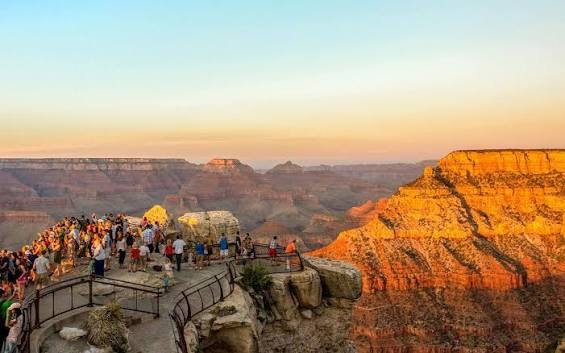
Start here, because almost every Arizona itinerary does. The South Rim is open year-round and gets roughly 90% of the park’s visitors. The North Rim sits about 220 miles away by road and is only open seasonally, a detail that trips up a surprising number of people who assume “Grand Canyon” means one easy stop.
Entry is $35 per private vehicle, $30 per motorcycle, or $20 per person on foot or bicycle, and the pass covers seven consecutive days at both rims. As of January 2026, non-U.S. residents aged 16 and up pay an additional $100 per person on top of the standard fee. That’s worth knowing before you budget a family trip, since it changes the math fast for international visitors.
The South Rim’s free shuttle system is genuinely useful. Parking near the main viewpoints fills up by mid-morning in peak season, and the shuttle covers Hermit Road and the South Kaibab Trailhead. If you only do one hike, Bright Angel Trail down to the 1.5-Mile Resthouse (a 3-mile round trip) gives a real sense of the canyon’s scale without needing a permit. Going further than that requires serious planning: a same-day hike out of the canyon sends more visitors to the clinic each year than almost anything else in the park, mainly from underestimating the climb back up in heat.
2. Sedona’s Red Rocks, Two Hours From the Canyon
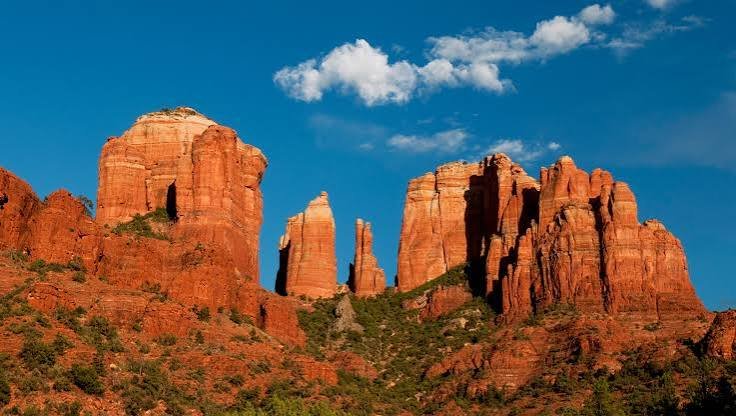
Sedona sits about a two-hour drive south of the Grand Canyon’s South Rim, which makes it an easy add-on rather than a separate trip. The red-rock formations here are the draw, but what sets Sedona apart from similarly photogenic places is how accessible the views are. You don’t need a serious hike to see the landscape that made the town famous.
Cathedral Rock and Bell Rock are the two most-photographed formations, and both have trailheads reachable without a high-clearance vehicle. Devil’s Bridge is the more demanding option, about a 4-mile round trip with real elevation gain, and it gets crowded enough by mid-morning that a sunrise start matters less for the light and more for avoiding a 30 to 45 minute wait at the arch itself.
Worth knowing: Sedona charges a Red Rock Pass for parking at most trailheads on Coconino National Forest land (around $5 for a day pass, verify current price). That’s separate from any national park fee and easy to miss if you’re used to a single-entrance-fee system.
3. Antelope Canyon: The One Place You Cannot Just Show Up To
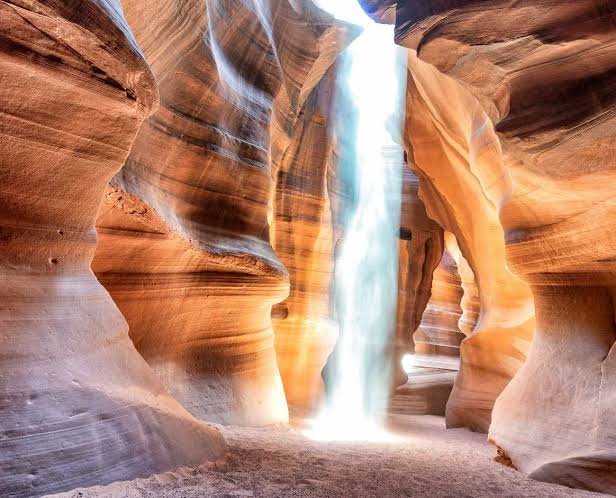
Antelope Canyon, near the town of Page in far northern Arizona, is the most photographed slot canyon in the country, and also the one most likely to disappoint someone who didn’t plan ahead. Both Upper and Lower Antelope Canyon sit on Navajo Nation land, and self-guided entry isn’t an option at either one. Every visitor goes in with a licensed Navajo guide as part of a paid tour, no exceptions.
Lower Antelope Canyon tours generally run $75 to $100 per person depending on the time slot, and involve descending a series of metal stairs into a narrow crack in the rock. Upper Antelope Canyon tours run higher, commonly $90 to $160 per person, partly because reaching the entrance requires off-road vehicle transport across sand. Photographers tend to prefer Upper for the classic beam-of-light shots, best roughly April through October around midday. Lower is generally considered the better overall hike and is less crowded per group.
Book these slots at least a few weeks out in summer, when demand is highest. Walk-up availability exists but is unreliable, and showing up in July without a reservation is a reliable way to spend a morning finding out every tour is sold out.
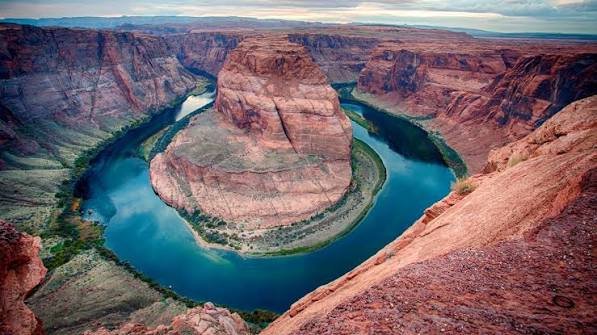
4. Horseshoe Bend: Free, and 10 Minutes From Antelope Canyon
Unlike Antelope Canyon, Horseshoe Bend requires no guide and no tour booking. It’s a short, easy walk, about 1.5 miles round trip on a paved and sand path, from the parking area to an overlook of the Colorado River’s dramatic bend. It’s one of the few major Arizona viewpoints you can see for the cost of parking alone (verify current parking fee, which has changed more than once in recent years).
Go at sunset if you can. The overlook faces roughly northwest, and the canyon walls catch warm light in the evening that flattens out under midday sun. There’s no railing at the edge in most spots. That’s either part of the appeal or a real problem depending on who you’re traveling with, and it’s worth knowing before bringing young kids or anyone unsteady on loose rock.
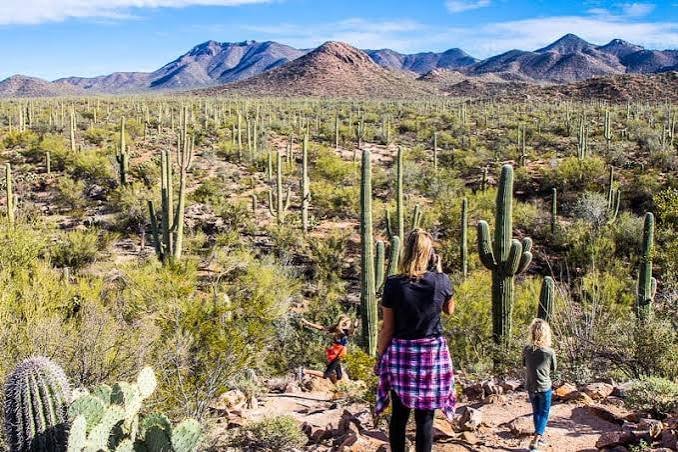
5. Saguaro National Park: The Desert Most Visitors Skip
Split into two districts on either side of Tucson, Saguaro National Park protects dense stands of the giant saguaro cactus, a plant that only grows wild in this specific stretch of the Sonoran Desert and nowhere else on Earth. It’s a genuinely lower-crowd alternative if your trip already routes through southern Arizona, and entry runs roughly $25 per vehicle for a 7-day pass (verify current fee).
The Cactus Forest Loop Drive in the eastern district is an easy way to see the landscape from a car, but the short trails off it, like the Freeman Homestead Trail (about a mile), get you closer to cactus that can be well over 100 years old and 40 feet tall. A saguaro doesn’t grow its first arm until it’s roughly 50 to 70 years old, which is worth mentioning to anyone assuming the tall ones are young. Go early morning or late afternoon: midday summer heat here regularly exceeds 105°F, and the park offers minimal shade along most trails.
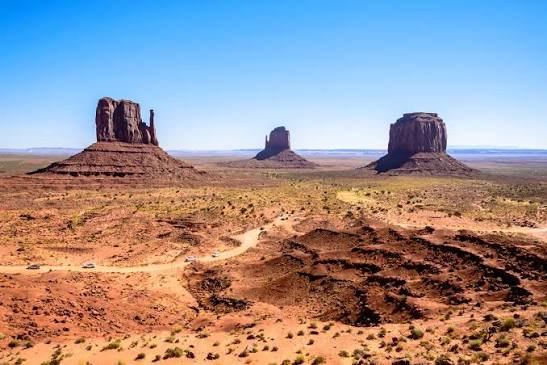
6. Monument Valley: Further Than It Looks on a Map
Monument Valley Navajo Tribal Park sits on the Utah-Arizona border, roughly a 2.5-hour drive from Page and closer to 5.5 hours from Phoenix, a detail that catches people planning a “quick loop” of northern Arizona off guard. The iconic sandstone buttes here are what most people picture when they think “American Southwest,” largely from decades of film and photography shot on this exact land.
The 17-mile Valley Drive is a self-guided dirt road accessible in most vehicles at low speed, though washboard sections make high clearance considerably more comfortable. Entry runs around $8 to $20 per vehicle depending on group size (verify current tribal park fee). Guided tours, run by Navajo-owned operators and booked at the visitor center, go further into the valley than the self-drive loop reaches, including backcountry sites like Mystery Valley that require a guide by tribal law.
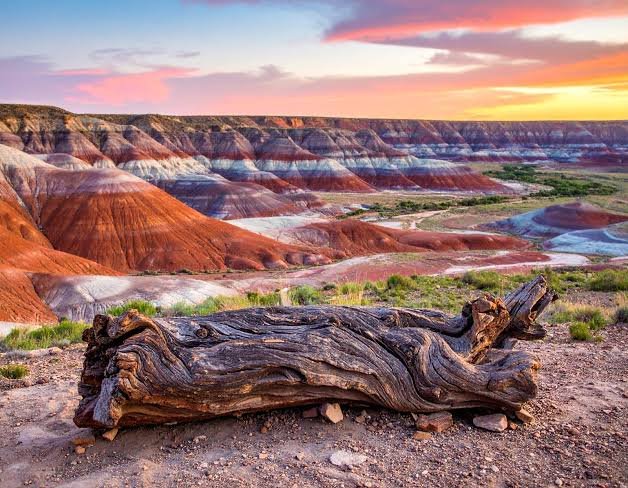
7. Petrified Forest National Park: Underrated, and Rarely Crowded
Petrified Forest sits along I-40 in eastern Arizona and is one of the least crowded national parks in the state, largely because it doesn’t fit the “canyon” or “red rock” image people expect from Arizona. What’s here instead: fossilized logs over 200 million years old, scattered across colorful badlands in the Painted Desert section of the park. Entry is about $25 per vehicle for a 7-day pass (verify current fee).
The park road runs about 28 miles end to end with pull-offs at the major sites, which makes it realistic to see in half a day, a rare thing among Arizona’s major parks. Removing petrified wood is a federal crime here, enforced seriously enough that rangers regularly receive small pieces mailed back anonymously by visitors who took a piece and later felt guilty. If a souvenir shop outside the park is selling petrified wood, it’s sourced from private land, not the park itself.
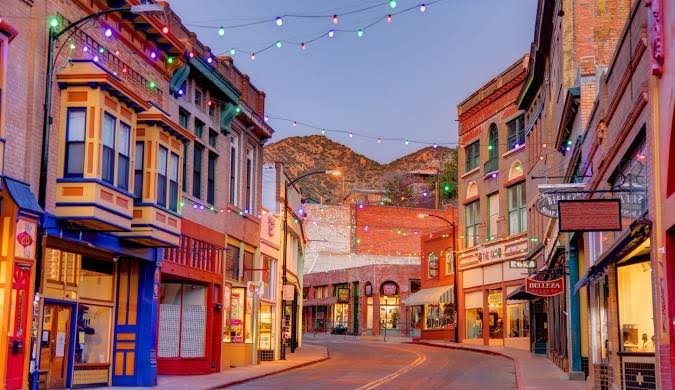
8. Bisbee: A Mining Town That Escaped the Ghost-Town Fate
Most “best of Arizona” lists stop at the big parks and skip towns like Bisbee entirely, which is part of why it’s worth including. A former copper-mining boomtown in the far southeast corner of the state, Bisbee’s steep hillside streets and Victorian-era buildings now house galleries, cafes, and a real small arts scene rather than the tourist-trap version of “historic town” found elsewhere.
The Queen Mine Tour (about $18 to $20 per adult, verify current price) takes visitors underground into an actual former mine shaft on a small train, led by guides who mostly worked the mines themselves before the site became a tourist attraction. The tour runs year-round and stays a cool 47°F underground regardless of the season outside, which makes it a genuinely good option on a 105°F afternoon. Bisbee sits about 90 minutes from Tucson and close enough to the Mexican border town of Naco that a day trip combining both is realistic for travelers comfortable crossing back and forth.
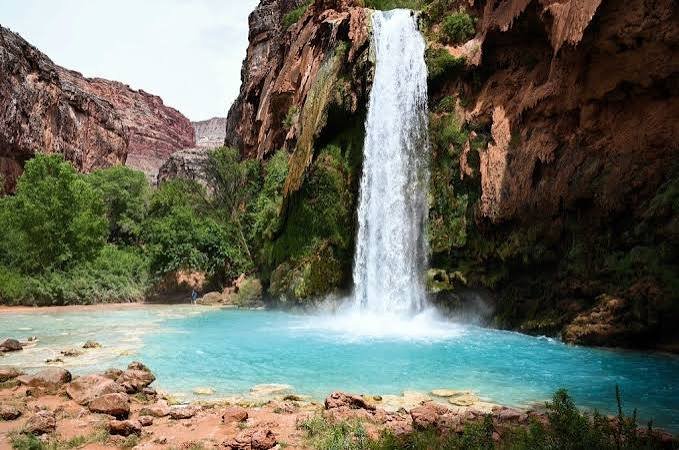
9. Havasu Falls: The Hardest Place on This List to Actually Visit
Havasu Falls, on Havasupai tribal land deep in a side canyon of the Grand Canyon, produces some of the most striking waterfall photography in the American Southwest: turquoise-blue pools against red rock. It’s also, by a wide margin, the hardest destination on this list to actually get to.
There is no day-hike option. Reaching the falls requires an overnight permit booked through the Havasupai Reservations system, then hiking in roughly 10 miles from the trailhead (mule or helicopter transport is available for gear and people at extra cost). Permits for the main season typically sell out within hours of release each February for the following year (verify current permit release date and process, since these details change), and camping is required, as there’s no day-use or lodge option at the falls themselves. If Havasu Falls is the reason for your Arizona trip, it needs to be the first thing you plan, not the last.
Frequently Asked Questions
What is the best time of year to visit Arizona?
Spring (March to May) and fall (September to November) offer the most comfortable temperatures across the state, especially in the low-desert areas around Phoenix and Tucson, where summer highs regularly pass 105°F. Higher-elevation spots like Sedona and the Grand Canyon’s South Rim stay more moderate in summer but can see snow in winter.
Do you need a reservation for the Grand Canyon?
No reservation or timed-entry ticket is required for standard park entry; you pay the entrance fee at the gate. Specific activities inside the park, like mule rides or backcountry camping below the rim, do require separate permits booked well in advance.
Can you visit Antelope Canyon without a tour?
No. Both Upper and Lower Antelope Canyon are on Navajo Nation land, and self-guided entry isn’t permitted at either. Every visitor must go with a licensed Navajo guide as part of a paid tour.
How many days do you need to see the best of Arizona?
A loop covering the Grand Canyon, Sedona, and Antelope Canyon or Horseshoe Bend realistically takes 5 to 7 days given the drive times between them. Adding Monument Valley, southern Arizona (Tucson or Bisbee), or Havasu Falls extends that significantly, since those sit in different directions from the main northern loop.
Is Arizona expensive to visit?
It depends heavily on which sites you include. National park entry fees are relatively low ($20 to $35), but Antelope Canyon tours ($75 to $160+ per person) and Havasupai permits add up fast if your itinerary includes the tribal-land attractions, which make up several of the state’s most photographed spots